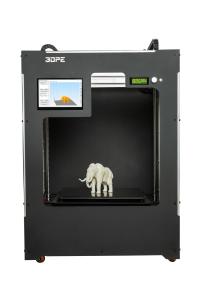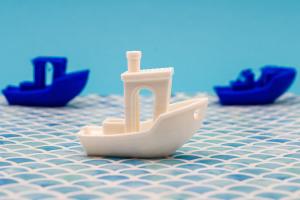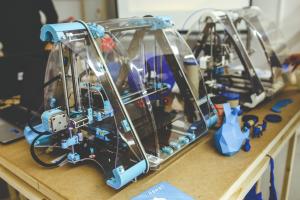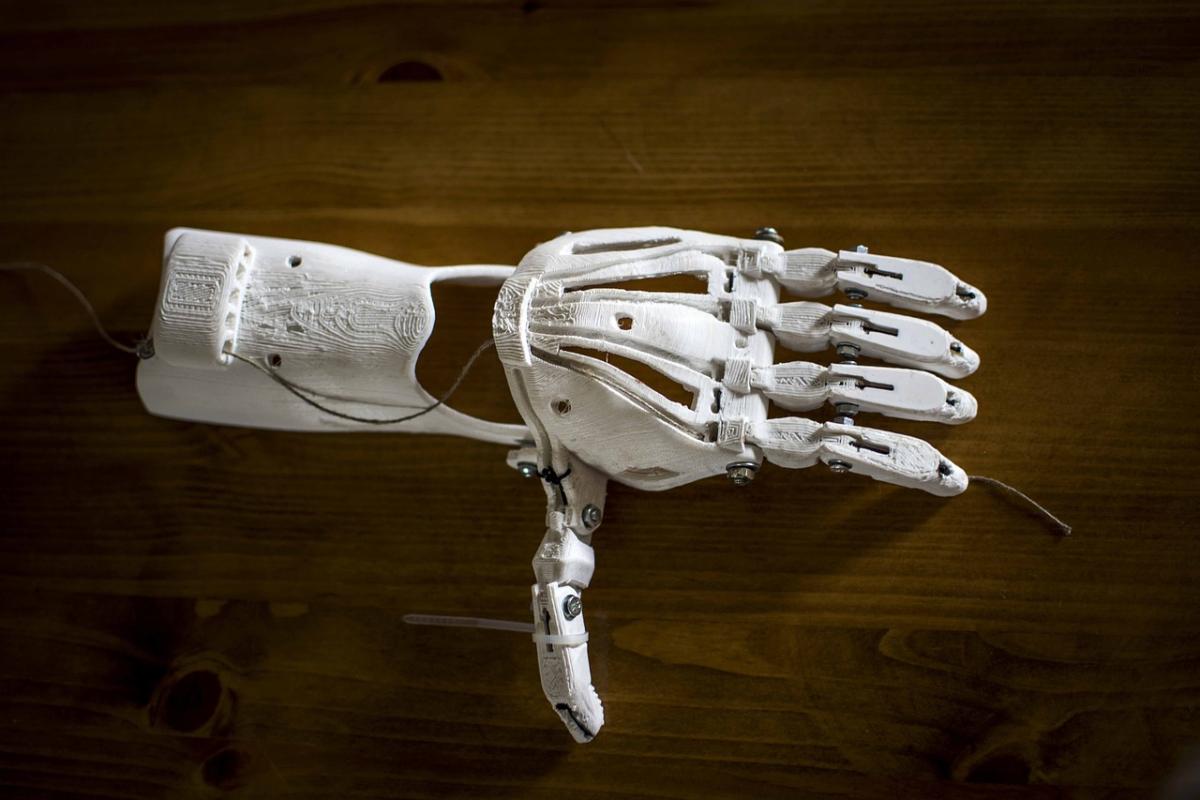
3D printers are like magic wands that turn ideas into reality! Whether you're a hobbyist, a designer, or just curious about the tech, the things you can create with a 3D printer are pretty mind-blowing. Imagine being able to use your computer to make everything from toys to tools, all in your home workshop.
Here are some amazing things people are making with their 3D printers:
What's great is that the only limit is your imagination. There are countless online communities where you can share ideas, get inspiration, or even collaborate on projects. Plus, with easy-to-use design software and tons of resources available, creating something cool has never been easier.
So whether you want to dive into a new hobby or solve everyday problems around the house, a 3D printer can open up a world of possibilities. Just think about what you could make today!
Key Features to Look For in Printers
Choosing the right printer can feel overwhelming, especially with all the options out there. Here are some key features to keep an eye on when you’re shopping for a 3D printer:
Fun Projects to Try Right Away
If you’ve just got your hands on a 3D printer, you’re in for so much fun! There are tons of projects you can dive into that are perfect for beginners and will really show off what your printer can do. Here are a few you can try right away:
These projects are not only enjoyable but also allow you to experiment and learn more about your 3D printer. Grab your filament and get started—you’ll be amazed at what you can create!
Tips for Beginner 3D Printing Success
Starting your 3D printing journey can feel a bit overwhelming, but don’t worry! Here are some friendly tips to help you get off on the right foot.
1. Choose the Right Printer
Make sure to pick a printer that suits your needs. If you're a newbie, look for models that are user-friendly and have good support and documentation. Some great beginner options include the Creality Ender series or the Anycubic i3 series.
2. Understand Your Materials
Different filament types serve different purposes. PLA is great for beginners since it's easy to print and works well for most projects. If you want something more durable, try ABS or PETG, but be mindful of their printing requirements. Make sure to read up on the properties of each filament before choosing!
3. Get Familiar with Your Software
You'll need slicing software to get started. Tools like Cura or PrusaSlicer can seem complicated at first, but they’re essential for turning your 3D models into printable instructions. Spend some time playing around with the settings, like layer height and print speed. It’ll pay off in the end!
4. Pay Attention to Calibration
Proper calibration is key to successful prints. Start with leveling the print bed – a little effort here goes a long way. If your first layer isn’t sticking or it looks messy, don’t get discouraged. Use this as a learning experience to adjust your settings and try again!