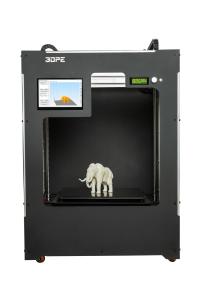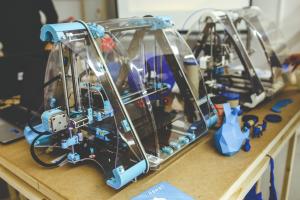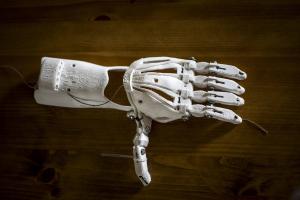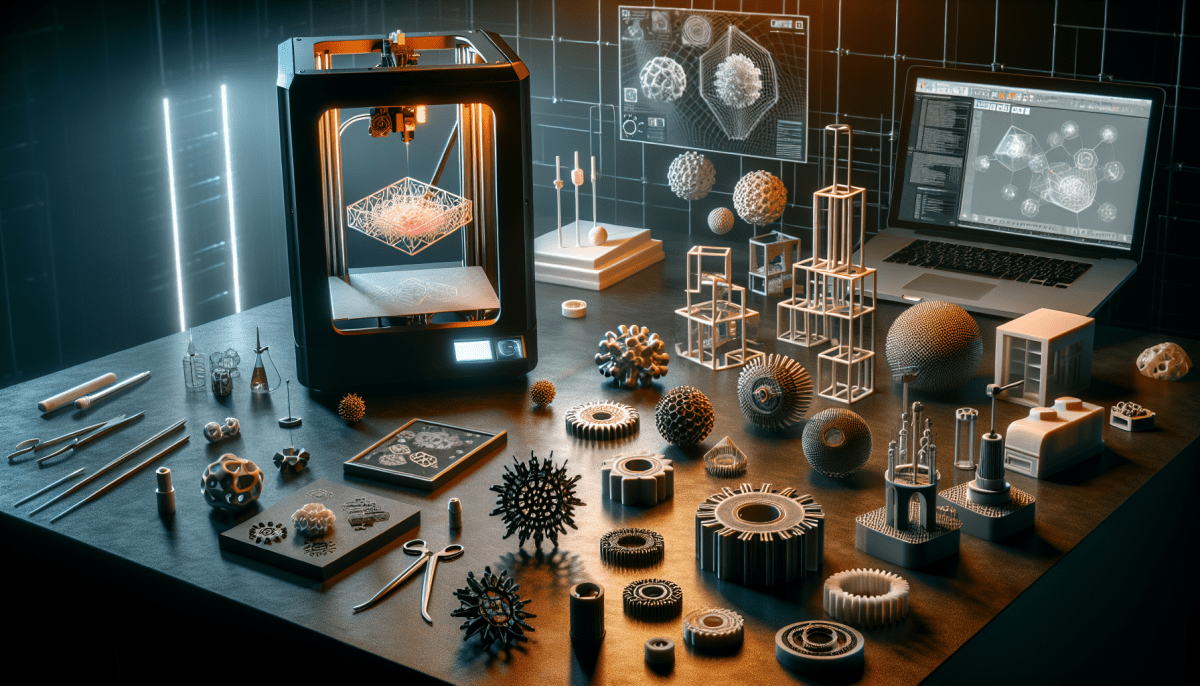
3D printing might sound high-tech and futuristic, but it’s becoming more accessible every day. At its core, 3D printing is all about creating a three-dimensional object from a digital file. Imagine a printer that creates things you can hold in your hands—it’s kind of like that!
There are a few different types of 3D printing methods, but the most common one for beginners is called Fused Deposition Modeling (FDM). In FDM, a printer lays down layers of melted plastic (like the material used for LEGO bricks) to build up your object, layer by layer. This is what most home 3D printers use, making it a great starting point if you’re just dipping your toes into the world of 3D printing.
To get started, you’ll need a 3D printer, some filament (the material used for printing), and a digital model to print. There are tons of free designs available online that you can download and use right away. Just choose something simple, and once you feel comfortable, you can start designing your own creations!
Don’t worry if it sounds complicated at first. Many printers come with user-friendly software that can help guide you through the process. Plus, there are plenty of online communities and resources where you can ask questions and share your experiences with others who are just starting out. The 3D printing community is friendly and always eager to help newcomers!
Choosing the Right 3D Printer for You
Choosing the right 3D printer can feel overwhelming, especially if you’re just starting out. There are so many options available, and it’s easy to get lost in the technical details. But don’t worry! Let’s break it down together so you can find something that really fits your needs.
First off, think about what you want to create. Are you interested in making small toys, detailed miniatures, or maybe functional parts for projects at home? Different printers excel at different things. For example:
Next, consider the size of your projects. If you’re planning on printing larger items, look for a printer with a bigger build volume. Most brands will list their printing dimensions, so check that out before making a decision!
Finally, don’t forget about the community and support. Some brands have a solid online community where you can find tips and tricks, while others might not offer as much. Being able to chat with others who have the same printer can make your learning experience a lot easier and more fun.
Essential Materials for Your First Project
Starting your first 3D printing project is exciting, but choosing the right materials can make or break the experience. Here are some essential materials to get you going!
1. Filament: The most common type of filament is PLA (Polylactic Acid). It’s user-friendly and great for beginners. PLA is biodegradable and comes in many colors. If you're feeling adventurous, you might want to try ABS (Acrylonitrile Butadiene Styrene) as well. It's a bit trickier to work with, but it’s tougher and can withstand higher temperatures.
2. Build Surface: A good build surface can help your prints stick better and come off more easily once complete. Consider using a glass plate, painter’s tape, or specialized 3D printing surfaces to start. Each has its pros and cons, so experimenting is part of the fun!
3. Tools: Having the right tools on hand will make your life easier. A pair of tweezers, a spatula for removing prints, and some side cutters for trimming excess filament will be your best friends. Don’t forget a ruler or caliper for measuring your printed items.
4. Enclosure: If you decide to go with ABS or other filaments that shrink while cooling, consider building or buying an enclosure. It helps maintain a stable temperature around your print job, reducing the chances of warping.
Tips for Successful 3D Printing Every Time
Getting great results from your 3D printer can feel like a challenge, especially when you're just starting out. But with a few handy tips, you'll be on your way to printing success every time!
1. Start with Quality Filament: Your choice of filament can make all the difference. Look for reputable brands that ensure consistent diameter and color. This helps prevent clogs and ensures even melting.
2. Level Your Bed: A well-leveled print bed is crucial. If it’s uneven, your prints may not stick well and can warp. Take a few minutes to adjust the bed before each print, ensuring it’s the right distance from the nozzle.
3. Optimize Print Settings: Don’t just stick to default settings. Experiment with layer height, print speed, and temperature. Slight tweaks can lead to better quality prints. If you're unsure, online communities often share tried-and-tested settings.
4. Keep it Clean: Regular cleaning goes a long way. Dust and debris can interfere with your prints. Keep your printer and workspace tidy, and clean the nozzle regularly to avoid material buildup.
5. Be Patient and Learn: Take your time to understand how your printer works and don’t rush into complex designs. Practice on simpler models to build your skills. Remember, every setback is a chance to learn something new!