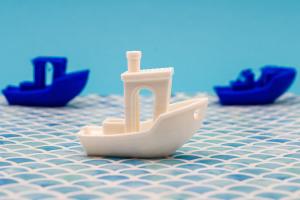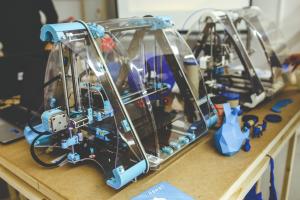
Are you ready to dive into the exciting world of 3D printing? Starting your own small business with a 3D printer can feel a bit daunting, but the good news is, it’s more accessible than ever. Whether you’re planning to create custom products, prototypes, or unique gifts, 3D printing gives you the flexibility and creativity to make it happen!
Before you leap in, think about what you want to create. Do you have a specific product idea in mind? Maybe you're passionate about making personalized items, like phone cases or custom keychains. Or perhaps you're interested in producing parts for hobbies like model building. Pinning down your focus can help you choose the right printer and materials.
Once you have your idea, it's time to research. Look into different types of 3D printers – there are so many options out there! FDM printers are great for beginners and budget-friendly, while resin printers offer more detail for intricate designs. Consider your budget and how much time you're willing to invest in learning the ropes.
Finally, connect with a community. There are plenty of forums and social media groups where you can find valuable tips and support. You’re not alone on this journey! Sharing experiences with fellow enthusiasts can help you grow and inspire new ideas for your business.
Choose the Right 3D Printer for You
Picking the right 3D printer can feel overwhelming, especially with so many options out there. But don’t worry! Let’s break it down together. First, think about what you want to print. Are you aiming to make prototypes, custom products, or fun toys? Different printers work better for different uses, so knowing your goal is the first step.
Next, consider the materials you want to use. Common options include PLA, ABS, and PETG. Each comes with its own benefits. For example, PLA is great for beginners because it's easy to work with and biodegradable. If you need something stronger, ABS might be your go-to, though it can be a bit trickier to print with.
Another thing to keep in mind is the size of the prints you envision. If you’re planning on creating larger items, look for printers with bigger build volumes. Don’t forget about the resolution too! A printer that offers finer detail will help you achieve that polished look for your products.
Lastly, keep an eye on the user community and support resources. A strong community can be a treasure trove of tips and tricks, which can make your printing journey much smoother. Look for brands with good reputations for customer service and plenty of online tutorials.
Essential Supplies for 3D Printing Success
Starting your 3D printing journey? Having the right supplies can make all the difference. Let’s talk about some essentials you’ll want to have on hand to ensure smooth sailing as you launch your small business.
1. Quality Filament: This is your bread and butter. Filament comes in a variety of materials, such as PLA, ABS, or PETG. Each has its own unique qualities:
2. Bed Adhesives: Getting your print to stick to the bed can be tricky. You'll want to have some adhesives like spray glue, tape, or a print surface that enhances adhesion. This stops prints from warping or falling off during production.
3. Tools and Maintenance Supplies: A few handy tools can save you headaches down the road:
Having these essentials on hand can really help boost your confidence and productivity in your new venture. Whether you're creating prototypes or unique custom items, being prepared is half the battle!
Tips to Grow Your 3D Printing Business
Starting a 3D printing business is exciting, and there are some key tips that can help you grow and succeed. First off, focus on your niche. Instead of trying to cater to everyone, find a specific area where you can shine. Whether that’s making custom toys, unique home decor, or practical prototypes for local businesses, having a clear target will help you stand out in the market.
Next, invest in quality printing materials. Your output reflects your brand, so it’s worth it to use reliable filaments and other supplies. Customers are more likely to return when they know your products are durable and high-quality. Plus, experimenting with different materials can help you discover new products that could attract even more customers.
Don't underestimate the power of marketing. Use social media platforms to showcase your creations and connect with your audience. Share behind-the-scenes photos, tutorials, or even time-lapse videos of your printing process. Engaging content can build a community around your brand and help you gain loyal customers.
Lastly, make customer service a priority. Be responsive to questions and feedback, and make it easy for people to reach you. A happy customer is your best marketing tool. Consider asking for reviews or testimonials once you’ve made a sale—these can really boost your credibility and attract new buyers.