Choosing the right 3D printer can feel a bit overwhelming, especially with so many options out there. But don’t worry! Let’s break down what you should check for to find the one that fits your needs.
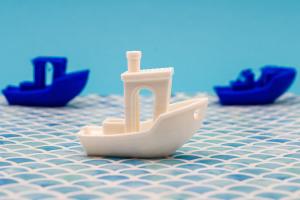
1. Print Quality: Look for printers that have good resolution and layer height capabilities. If you want detailed prints, aim for a machine that can do fine layers—typically around 0.1mm or lower. Read reviews or check sample prints to see what the output looks like.
2. Build Size: Consider how big your projects usually are. If you're planning to print larger items, make sure to pick a printer with a larger build volume. Otherwise, you might end up with a printer that's too small for your creations!
3. Material Compatibility: Different printers work best with different materials. If you’re interested in printing with various filaments like PLA, ABS, or PETG, ensure the printer supports these materials. Some machines even handle specialty filaments, which can be a bonus!
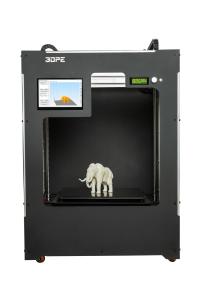
4. Ease of Use: If you're just starting, look for a printer that’s user-friendly. Features like touchscreen interfaces, easy assembly, and good customer support can make a big difference as you dive into the 3D printing world.
Different Types of 3D Printers Explained
If you're diving into the world of 3D printing, you'll notice there are several types of printers out there, each designed to meet different needs. Let's break down the most popular ones to help you find your perfect match!
FDM (Fused Deposition Modeling)
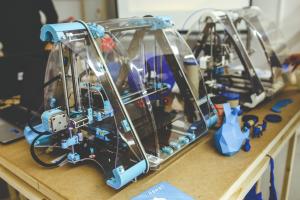
FDM printers are the most common type you'll come across. They work by melting plastic filament and laying it down layer by layer to create 3D objects. These printers are great for hobbyists and beginners because they’re typically affordable and easy to use. They also offer a wide variety of materials to choose from, like PLA, ABS, and PETG!
SLA (Stereolithography)
SLA printers use a different approach by curing liquid resin with a UV laser. This method produces highly detailed and smooth prints, making them ideal for artists or anyone needing precision. Just remember, the resin can be a bit messier to work with and often requires post-processing, but the results can be stunning!
SLS (Selective Laser Sintering)
If you’re looking for something a bit more advanced, SLS printers might be your go-to. They use a laser to fuse powdered materials, which makes them perfect for creating complex structures without the need for support material. These printers are commonly used in industries for prototyping and small-run production. Just keep in mind that they can be on the pricier side!
Inkjet 3D Printers
Inkjet printers have made their way into the 3D space by using liquid materials and printing in layers. They can create full-color models that are fantastic for visual prototypes. However, they’re not as widely used for functional parts, so they’re more of a niche option. Great for showcasing ideas, but you might want to consider your primary needs first!
Key Benefits of Each 3D Printer Type
When diving into the world of 3D printing, it's crucial to know the strengths of each printer type. Here's a quick look at the benefits of the most popular types so you can make the best choice for your needs.
Fused Deposition Modeling (FDM)
Stereolithography (SLA)
Selective Laser Sintering (SLS)
Choosing the Right One for You
When it comes to picking the right 3D printer, it’s all about figuring out what you need it for. Are you a hobbyist looking to create fun projects, or a professional who needs precision and reliability for work? Knowing your purpose can really help narrow down your options.
First things first, think about the materials you want to use. Some printers work great with plastic filaments, while others can handle resin, metal, or even food! Here’s a quick breakdown:
Next, consider the size of the prints you want. If you’re just making small prototypes or toys, a compact model will work just fine. But if you’ve got big plans for larger sculptures or functional parts, you might want to invest in a printer with a bigger build volume.
Finally, don’t forget about the ease of use. Look for features like touchscreen interfaces, easy setup guides, and reliable customer support. A user-friendly printer can make all the difference, especially if you're just starting out! Taking these factors into account will put you on the right track to finding a 3D printer that suits your needs perfectly.